Asset 1
Indications

BLINCYTO® (blinatumomab) is indicated for the treatment of CD19-positive B-cell precursor acute lymphoblastic leukemia (ALL) in adult and pediatric patients one month and older with:

Philadelphia chromosome-negative disease in the consolidation phase of multiphase chemotherapy ... Read More 

Minimal residual disease (MRD) greater than or equal to 0.1% in first or second complete remission

Relapsed or refractory disease

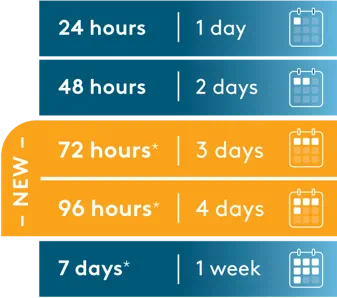
NOW AVAILABLEBLINCYTO® offers 72- and 96-hour* infusion durations—offering more flexibility for you and your patients

The choice between these infusion duration options should be made by the treating healthcare professional, considering the frequency of the infusion bag changes and the weight of the patient.

*Prepared with Bacteriostatic 0.9% Sodium Chloride Injection (containing 0.9% benzyl alcohol).

Use the preservative-free preparations of BLINCYTO® where possible in neonates. When prescribing BLINCYTO® (with preservative) for neonatal patients, consider the combined daily metabolic load of benzyl alcohol from all sources including BLINCYTO® (with preservative), other products containing benzyl alcohol or other excipients (eg, ethanol, propylene glycol) which compete with benzyl alcohol for the same metabolic pathway. Serious adverse reactions, including fatal reactions and the “gasping syndrome,” have been reported in very low birth weight neonates born weighing less than 1500 g, and early preterm neonates who received intravenous drugs containing benzyl alcohol as a preservative.

Please see Indications in above "Indications" tray and full Important Safety Information, including BOXED WARNINGS, below.

Reference: BLINCYTO® (blinatumomab) prescribing information, Amgen.

BLINCYTO® (blinatumomab) logo

Mechanism of Action, Indications, & Patient Selection

  • What is the mechanism of action of BLINCYTO® (blinatumomab), and how does it differ from other CD19-targeted therapies?

    BLINCYTO® is a ready-to-use Bispecific T-cell Engager (BiTE®) therapy that binds to CD3 on T cells and CD19 on B cells, redirecting the patient's own T cells to target and fight malignant B cells. Find out more about the mechanism of action for BLINCYTO®.1

  • What are the FDA-approved indications and patient populations for BLINCYTO® (blinatumomab)?

    BLINCYTO® is indicated for the treatment of CD19-positive B-cell precursor acute lymphoblastic leukemia in adult and pediatric patients one month and older with:1

    • Philadelphia chromosome-negative disease in the consolidation phase of multiphase chemotherapy
    • Minimal residual disease (MRD) greater than or equal to 0.1% in first or second complete remission
    • Relapsed or refractory disease

    See the Prescribing Information / package insert for more details

  • What minimal residual disease (MRD) status qualifies a patient for BLINCYTO® (blinatumomab) therapy?

    BLINCYTO® is indicated for the treatment of CD19-positive B-cell precursor acute lymphoblastic leukemia in adult and pediatric patients one month and older with Philadelphia chromosome-negative disease in the consolidation phase of multiphase chemotherapy, regardless of MRD status. BLINCYTO® is also indicated for MRD greater than or equal to 0.1% in first or second complete remission.1

    See the Prescribing Information / package insert for more details

  • Are there any considerations for pediatric patients receiving BLINCYTO® (blinatumomab)?
    • ​​​​BLINCYTO® is approved for use in children aged one month or older [See Indications and Usage (1) in the Prescribing Information]1
    • The safety and efficacy of BLINCYTO® in pediatric patients less than 1 month of age have not been established for any indication1
    • Dosing is based on patient weight and schedule. Patients weighing ≥ 45 kg receive a fixed dose. For patients weighing < 45 kg, the dose is calculated using the patient’s body surface area (BSA). See Dosage and Administration (2) in the Prescribing Information for more details and for premedication requirements in pediatric patients1
    • Use the preservative-free preparations of BLINCYTO® where possible in neonates. When prescribing BLINCYTO® (with preservative) for neonatal patients, consider the combined daily metabolic load of benzyl alcohol from all sources including BLINCYTO® (with preservative), other products containing benzyl alcohol, or other excipients (eg, ethanol, propylene glycol) that compete with benzyl alcohol for the same metabolic pathway1
    • Serious adverse reactions, including fatal reactions and the “gasping syndrome,” have been reported in very low birth weight neonates born weighing less than 1,500 g and early preterm neonates who received intravenous (IV) drugs containing benzyl alcohol as a preservative1

    See the Prescribing Information / package insert for more details

    Monitor neonatal patients receiving BLINCYTO® (with preservative) for new or worsening metabolic acidosis. The minimum amount of benzyl alcohol at which serious adverse reactions may occur in neonates is not known. The BLINCYTO® 72-Hour bag (with preservative) and 96-Hour bag (with preservative) contain 2.5 mg of benzyl alcohol per mL, and the 7-Day bag (with preservative) contains 7.4 mg of benzyl alcohol per mL. The administration of BLINCYTO® as a 72-hour, 96-hour, and 7-day infusion is not recommended for patients weighing less than 5.4 kg [see Use in Specific Populations (8.4) in the Prescribing Information].

Dosing & Administration Guidance

  • What is the infusion schedule and cycle length for BLINCYTO® (blinatumomab)?
    • In the consolidation phase for Ph(–) disease: A single cycle of BLINCYTO® monotherapy in consolidation is 28 days of continuous infusion followed by a 14-day treatment-free interval (42 days total)1
    • In MRD(+): A single cycle of treatment of BLINCYTO® induction or consolidation consists of 28 days of continuous intravenous infusion followed by a 14-day treatment-free interval (42 days total)1
      • A treatment course consists of 1 cycle of BLINCYTO® for induction followed by up to 3 additional cycles for consolidation1
    • ​In relapsed or refractory disease: A single cycle of treatment of BLINCYTO® induction or consolidation consists of 28 days of continuous intravenous infusion followed by a 14-day treatment-free interval (42 days total). A single cycle of treatment of BLINCYTO® continued therapy consists of 28 days of continuous intravenous infusion followed by a 56-day treatment-free interval (total 84 days).1
      • ​A treatment course consists of up to 2 cycles for induction followed by 3 additional cycles for consolidation and up to 4 additional cycles of continued therapy1

    See the Prescribing Information / package insert for more details

  • What are the hospitalization recommendations for BLINCYTO® (blinatumomab) and under what circumstances is supervision recommended?

    Inpatient scheduling for patients with B-cell precursor acute lymphoblastic leukemia:1

    • Consolidation phase for Ph(–) disease: Hospitalization is recommended for the first 3 days of the first cycle and the first 2 days of the second cycle
    • MRD(+): Hospitalization is recommended for the first 3 days of the first cycle and the first 2 days of the second cycle
    • ​Relapsed or refractory: Hospitalization is recommended for the first 9 days of the first cycle and the first 2 days of the second cycle

    For all subsequent cycle starts and reinitiation (eg, if treatment is interrupted for 4 or more hours), supervision by a healthcare professional or hospitalization is recommended.1

    See the Prescribing Information / package insert for more details

Safety Profile & Adverse Event Management

  • What are the boxed warnings associated with BLINCYTO® (blinatumomab), and how should they be managed?

    BLINCYTO® is associated with the risk of cytokine release syndrome (CRS), which may be life-threatening or fatal. If severe CRS occurs, interrupt BLINCYTO® until CRS resolves. Discontinue BLINCYTO® permanently if life-threatening CRS occurs. Administer corticosteroids for severe or life-threatening CRS. BLINCYTO® is also associated with the risk of neurological toxicities, including immune effector cell-associated neurotoxicity syndrome (ICANS).1 Monitor patients receiving BLINCYTO® for signs and symptoms of neurological toxicities, including ICANS. Advise outpatients on BLINCYTO® to contact their healthcare professional if they develop signs or symptoms of neurological toxicities. Management of neurologic toxicity may require interruption or discontinuation of BLINCYTO® as recommended and/or treatment with corticosteroids.

    For recommendations for dosage modifications for CRS and neurological toxicities and details on additional clinically significant adverse events, please see Dosage Modifications for Adverse Reactions (2.4) of the Prescribing Information.1

  • What are the CTCAE grading criteria for permanent discontinuation of BLINCYTO® (blinatumomab) due to CRS & ICANS?

    If the interruption after an adverse reaction is no longer than 7 days, continue the same cycle to a total of 28 days of infusion inclusive of days before and after the interruption in that cycle. If an interruption due to an adverse reaction is longer than 7 days, start a new cycle. Find out more about dose modifications for BLINCYTO®.

  • Are there risks of infection associated with BLINCYTO® (blinatumomab), and how should they be monitored and treated according to the Prescribing Information?
    • ​In patients with acute lymphoblastic leukemia receiving BLINCYTO® in clinical studies, serious infections such as sepsis, pneumonia, bacteremia, opportunistic infections, and catheter-site infections were observed in approximately 25% of patients, some of which were life-threatening or fatal [see Adverse Reactions (5.3) in the Prescribing Information]1
    • As appropriate, administer prophylactic antibiotics and employ surveillance testing during treatment with BLINCYTO®. Monitor patients for signs and symptoms of infection and treat appropriately1

    See the Prescribing Information / package insert for more details

Clinical Evidence & Outcomes

  • How has BLINCYTO® (blinatumomab) been shown to impact overall survival (OS) in patients with Ph(–) B-cell acute lymphoblastic leukemia in the frontline consolidation setting?

    Integrating BLINCYTO® into frontline consolidation significantly improved 3-year OS vs chemotherapy alone in the E1910 study, which was a multinational, randomized, controlled, phase 3 trial of BLINCYTO® alternating with chemotherapy vs chemotherapy alone in frontline consolidation in 224 newly diagnosed patients aged 30–70 years with Philadelphia chromosome–negative B-cell precursor acute lymphoblastic leukemia.1,2

    • ​The primary endpoint of OS was met. At 3 years, 84.8% of patients in the BLINCYTO® arm (n = 112) vs 69.0% in the chemotherapy only arm (n = 112) were alive; HR: 0.42 (95% CI: 0.24–0.75);* P = 0.003 (the stratified log-rank test). Median follow-up was 3.6 years in both arms1,†

    *The hazard ratio estimates are obtained from a stratified Cox regression model at the third interim analysis.1

    OS was calculated from time of randomization until death due to any cause.1

  • How has BLINCYTO® (blinatumomab) been shown to impact overall survival (OS) in relapsed or refractory B-cell acute lymphoblastic leukemia settings?

    TOWER study design: A large (N = 405), international, randomized, controlled, phase 3 study of single-agent BLINCYTO® vs SOC chemotherapy in patients ≥ 18 years of age. Patients included in this study were refractory to primary induction therapy or to last therapy, in first relapse (first remission duration < 12 months), in second or later relapse, or in any relapse after HSCT.1,3

    In this study, BLINCYTO® significantly improved OS in the relapsed or refractory settings:1

    • ​BLINCYTO® nearly doubled median overall survival vs SOC chemotherapy (primary endpoint): 7.7 months for BLINCYTO® (n = 271) vs 4.0 months for SOC chemotherapy (n = 134); HR: 0.71 (95% Cl: 0.55–0.93); P = 0.0121
    • Intervening early with BLINCYTO® in first salvage (n = 104) more than doubled median OS vs SOC chemotherapy (n = 63) (11.1 months vs 5.5 months); HR: 0.59 (95% Cl: 0.38–0.91)4,*

    *OS in patients treated in first salvage was a prespecified subgroup analysis in TOWER; however, the OS efficacy in this subgroup was not a study objective and the study was not powered to assess OS efficacy in this subgroup.5

  • What are the NCCN Clinical Practice Guidelines in Oncology (NCCN Guidelines®) recommendations regarding blinatumomab (BLINCYTO®)?

    Blinatumomab is recommended by the National Comprehensive Cancer Network® (NCCN®):6

    In adult, adolescent & young adult patients
    • ​As a preferred therapy as part of frontline consolidation in MRD(+) or MRD(–) Ph(–) B-cell precursor acute lymphoblastic leukemia6
    • As a preferred treatment option as part of frontline consolidation in MRD(+) Ph(+) B-cell precursor acute lymphoblastic leukemia6
    • As an NCCN category 1 recommended therapy option for relapsed or refractory Ph(–) B-cell precursor acute lymphoblastic leukemia6
    • As a recommended treatment option for relapsed or refractory Ph(+) B-cell precursor acute lymphoblastic leukemia6
    In pediatric patients
    • ​As part of the frontline consolidation phase in MRD(+) or MRD(–) Ph(–) B-cell precursor acute lymphoblastic leukemia7,*
    • As part of the consolidation phase treatment option in MRD(+) B-cell precursor acute lymphoblastic leukemia7
    • As a treatment option for relapsed or refractory Ph(–) B-cell precursor acute lymphoblastic leukemia7

    *For patients with an expected very favorable outcome, the benefit of blinatumomab should be weighed with potential toxicities, including increased infection risk.7

Access, Prescribing, & Support Services

  • What safety programs or monitoring requirements are associated with BLINCYTO® (blinatumomab) use?

    BLINCYTO® has a BOXED WARNING for cytokine release syndrome (CRS) and neurological toxicities including immune effector cell-associated neurotoxicity syndrome (ICANS). [See BOXED WARNING in the Prescribing Information / package insert].1

  • How can reimbursement, prior authorization, or coverage for BLINCYTO® (blinatumomab) be approached in practice?

    Amgen® Patient Navigator is a single point of contact to help answer questions about access and treatment navigation, assist with treatment logistics, and provide supplemental resources as patients transition from hospital to specialized care. Amgen Patient Navigators can help with:

    • Benefits verification and understanding coverage
    • Prior authorization process
    • Treatment logistics support and resources
    • Site-of-care transition education

    To enroll in the Amgen Patient Navigator program, click here, or visit AmgenSupportPlus.com to see how Amgen Patient Navigators can help. To speak with an Amgen Patient Navigator directly, call 844-992-6436 (Monday–Friday 8:30 AM–8:00 PM ET).

  • What are some key steps and documentation considerations for prescribing BLINCYTO® (blinatumomab) via buy-and-bill or specialty pharmacy?

    Please refer to the Billing and Coding Considerations for BLINCYTO® available for download here. This Information Sheet is intended to help healthcare professionals understand the key billing and coding considerations for BLINCYTO® and its related services and supplies when using the FDA-approved dosing options across treatment settings.

CD, cluster of differentiation; CI, confidence interval; CTCAE, Common Terminology Criteria for Adverse Events; HR, hazard ratio; HSCT, allogeneic hematopoietic stem cell transplantation; MRD, measurable or minimal residual disease; OS, overall survival; Ph(–), Philadelphia chromosome–negative; Ph(+), Philadelphia chromosome–positive; SOC, standard-of-care.

IMPORTANT SAFETY INFORMATION

WARNING: CYTOKINE RELEASE SYNDROME and NEUROLOGICAL TOXICITIES including IMMUNE EFFECTOR CELL-ASSOCIATED NEUROTOXICITY SYNDROME

  • Cytokine Release Syndrome (CRS), which may be life-threatening or fatal, occurred in patients receiving BLINCYTO®. Interrupt or discontinue BLINCYTO® and treat with corticosteroids as recommended.
  • Neurological toxicities, including immune effector cell-associated neurotoxicity syndrome (ICANS), which may be severe, life-threatening or fatal, occurred in patients receiving BLINCYTO®. Interrupt or discontinue BLINCYTO® as recommended.
Contraindications

BLINCYTO® is contraindicated in patients with a known hypersensitivity to blinatumomab or to any component of the product formulation.

Warnings and Precautions
  • Cytokine Release Syndrome (CRS): CRS, which may be life-threatening or fatal, occurred in patients receiving BLINCYTO®. The median time to onset of CRS was 2 days after the start of infusion and the median time to resolution of CRS was 5 days among cases that resolved. Manifestations of CRS include fever, headache, nausea, asthenia, hypotension, increased alanine aminotransferase (ALT), increased aspartate aminotransferase (AST), increased total bilirubin, and disseminated intravascular coagulation (DIC). The manifestations of CRS after treatment with BLINCYTO® overlap with those of infusion reactions, capillary leak syndrome (CLS), and hemophagocytic lymphohistiocytosis (HLH)/macrophage activation syndrome (MAS). Evaluation for HLH/MAS should be considered when CRS is atypical or prolonged, or when features of macrophage activation are present. Using all of these terms to define CRS in clinical trials of BLINCYTO®, CRS was reported in 15% of patients with R/R ALL, in 7% of patients with MRD-positive ALL, and in 16% of patients receiving BLINCYTO® cycles in the consolidation phase of therapy.
  • Monitor patients for signs or symptoms of these events. If severe CRS occurs, interrupt BLINCYTO® until CRS resolves. Discontinue BLINCYTO® permanently if life-threatening CRS occurs. Administer corticosteroids for severe or life-threatening CRS.

  • Neurological Toxicities, including Immune Effector Cell-Associated Neurotoxicity Syndrome:
    BLINCYTO® can cause serious or life-threatening neurologic toxicity, including ICANS. The incidence of neurologic toxicities in clinical trials was approximately 65%. The median time to the first event was within the first 2 weeks of BLINCYTO® treatment. The most common (≥ 10%) manifestations of neurological toxicity were headache and tremor. Grade 3 or higher neurological toxicities occurred in approximately 13% of patients, including encephalopathy, convulsions, speech disorders, disturbances in consciousness, confusion and disorientation, and coordination and balance disorders. Manifestations of neurological toxicity included cranial nerve disorders. The majority of neurologic toxicities resolved following interruption of BLINCYTO®, but some resulted in treatment discontinuation.

    The incidence of signs and symptoms consistent with ICANS in clinical trials was 7.5%. The onset of ICANS can be concurrent with CRS, following resolution of CRS, or in the absence of CRS. There is limited experience with BLINCYTO® in patients with active ALL in the central nervous system (CNS) or a history of neurologic events. Patients with a history or presence of clinically relevant CNS pathology were excluded from clinical studies. Patients with Down Syndrome may have a higher risk of seizures with BLINCYTO® therapy; consider seizure prophylaxis prior to initiation of BLINCYTO® for these patients.

    Monitor patients for signs and symptoms of neurological toxicities, including ICANS, and interrupt or discontinue BLINCYTO® and/or treat with corticosteroids as outlined in the PI. Advise outpatients to contact their healthcare professional if they develop signs or symptoms of neurological toxicities.

  • Infections: Approximately 25% of patients receiving BLINCYTO® in clinical trials experienced serious infections such as sepsis, pneumonia, bacteremia, opportunistic infections, and catheter-site infections, some of which were life-threatening or fatal. Administer prophylactic antibiotics and employ surveillance testing as appropriate during treatment. Monitor patients for signs or symptoms of infection and treat appropriately, including interruption or discontinuation of BLINCYTO® as needed.
  • Tumor Lysis Syndrome (TLS), which may be life-threatening or fatal, has been observed. Preventive measures, including pretreatment nontoxic cytoreduction and on-treatment hydration, should be used during BLINCYTO® treatment. Monitor patients for signs and symptoms of TLS and interrupt or discontinue BLINCYTO® as needed to manage these events.
  • Neutropenia and Febrile Neutropenia, including life-threatening cases, have been observed. Monitor appropriate laboratory parameters (including, but not limited to, white blood cell count and absolute neutrophil count) during BLINCYTO® infusion and interrupt BLINCYTO® if prolonged neutropenia occurs.
  • Effects on Ability to Drive and Use Machines: Due to the possibility of neurological events, including seizures and ICANS, patients receiving BLINCYTO® are at risk for loss of consciousness, and should be advised against driving and engaging in hazardous occupations or activities such as operating heavy or potentially dangerous machinery while BLINCYTO® is being administered.
  • Elevated Liver Enzymes: Transient elevations in liver enzymes have been associated with BLINCYTO® treatment with a median time to onset of 3 days. In patients receiving BLINCYTO®, although the majority of these events were observed in the setting of CRS, some cases of elevated liver enzymes were observed outside the setting of CRS, with a median time to onset of 19 days. Grade 3 or greater elevations in liver enzymes occurred in approximately 7% of patients outside the setting of CRS and resulted in treatment discontinuation in less than 1% of patients. Monitor ALT, AST, gamma-glutamyl transferase, and total blood bilirubin prior to the start of and during BLINCYTO® treatment. BLINCYTO® treatment should be interrupted if transaminases rise to > 5 times the upper limit of normal (ULN) or if total bilirubin rises to > 3 times ULN.
  • Pancreatitis: Fatal pancreatitis has been reported in patients receiving BLINCYTO® in combination with dexamethasone in clinical trials and the post-marketing setting. Evaluate patients who develop signs and symptoms of pancreatitis and interrupt or discontinue BLINCYTO® and dexamethasone as needed.
  • Leukoencephalopathy: Although the clinical significance is unknown, cranial magnetic resonance imaging (MRI) changes showing leukoencephalopathy have been observed in patients receiving BLINCYTO®, especially in patients previously treated with cranial irradiation and antileukemic chemotherapy.
  • Preparation and administration errors have occurred with BLINCYTO® treatment. Follow instructions for preparation (including admixing) and administration in the PI strictly to minimize medication errors (including underdose and overdose).
  • Immunization: Vaccination with live virus vaccines is not recommended for at least 2 weeks prior to the start of BLINCYTO® treatment, during treatment, and until immune recovery following last cycle of BLINCYTO®.
  • Benzyl Alcohol Toxicity in Neonates: Serious adverse reactions, including fatal reactions and the “gasping syndrome,” have been reported in very low birth weight (VLBW) neonates born weighing less than 1500 g, and early preterm neonates (infants born less than 34 weeks gestational age) who received intravenous drugs containing benzyl alcohol as a preservative. Early preterm VLBW neonates may be more likely to develop these reactions, because they may be less able to metabolize benzyl alcohol.

    Use the preservative-free preparations of BLINCYTO® where possible in neonates. When prescribing BLINCYTO® (with preservative) for neonatal patients, consider the combined daily metabolic load of benzyl alcohol from all sources including BLINCYTO® (with preservative), other products containing benzyl alcohol or other excipients (e.g., ethanol, propylene glycol) which compete with benzyl alcohol for the same metabolic pathway.

    Monitor neonatal patients receiving BLINCYTO® (with preservative) for new or worsening metabolic acidosis. The minimum amount of benzyl alcohol at which serious adverse reactions may occur in neonates is not known. The BLINCYTO® 72-Hour bag (with preservative) and 96-Hour bag (with preservative) contain 2.5 mg of benzyl alcohol per mL, and the 7-Day bag (with preservative) contains 7.4 mg of benzyl alcohol per mL.

  • Embryo-Fetal Toxicity: Based on its mechanism of action, BLINCYTO® may cause fetal harm when administered to a pregnant woman. Advise pregnant women of the potential risk to the fetus. Advise females of reproductive potential to use effective contraception during treatment with BLINCYTO® and for 48 hours after the last dose.
Adverse Reactions
  • The safety of BLINCYTO® in adult and pediatric patients one month and older with MRD-positive B-cell precursor ALL (n=137), relapsed or refractory B-cell precursor ALL (n=267), and Philadelphia chromosome-negative B-cell precursor ALL in consolidation (n=165) was evaluated in clinical studies. The most common adverse reactions (≥ 20%) to BLINCYTO® in this pooled population were pyrexia, infusion-related reactions, headache, infection, musculoskeletal pain, neutropenia, nausea, anemia, thrombocytopenia, and diarrhea.
Dosage and Administration Guidelines
  • BLINCYTO® is administered as a continuous intravenous infusion at a constant flow rate using an infusion pump which should be programmable, lockable, non-elastomeric, and have an alarm.
  • It is very important that the instructions for preparation (including admixing) and administration provided in the full Prescribing Information are strictly followed to minimize medication errors (including underdose and overdose).
INDICATIONS

BLINCYTO® (blinatumomab) is indicated for the treatment of CD19-positive B-cell precursor acute lymphoblastic leukemia (ALL) in adult and pediatric patients one month and older with:

  • Philadelphia chromosome-negative disease in the consolidation phase of multiphase chemotherapy
  • Minimal residual disease (MRD) greater than or equal to 0.1% in first or second complete remission
  • Relapsed or refractory disease

Please see BLINCYTO® full Prescribing Information, including BOXED WARNINGS.

BLINCYTO® is a registered trademark of Amgen Inc.

IMPORTANT SAFETY INFORMATION

WARNING: CYTOKINE RELEASE SYNDROME and NEUROLOGICAL TOXICITIES including IMMUNE EFFECTOR CELL-ASSOCIATED NEUROTOXICITY SYNDROME

  • Cytokine Release Syndrome (CRS), which may be life-threatening or fatal, occurred in patients receiving BLINCYTO®. Interrupt or discontinue BLINCYTO® and treat with corticosteroids as recommended.
  • Neurological toxicities, including immune effector cell-associated neurotoxicity syndrome (ICANS), which may be severe, life-threatening or fatal, occurred in patients receiving BLINCYTO®. Interrupt or discontinue BLINCYTO® as recommended.
Contraindications
BACK TO TOP

References: 1. BLINCYTO® (blinatumomab) prescribing information, Amgen. 2. Litzow MR, Sun Z, Mattison RJ, et al. Blinatumomab for MRD-negative acute lymphoblastic leukemia in adults. N Engl J Med. 2024;391:320-333. 3. Kantarjian H, Stein A, Gökbuget N, et al. Blinatumomab versus chemotherapy for advanced acute lymphoblastic leukemia. N Engl J Med. 2017;376:836-847. 4. Dombret H, Topp MS, Schuh A, et al. Blinatumomab versus chemotherapy in first salvage or in later salvage for B-cell precursor acute lymphoblastic leukemia. Leuk Lymphoma. 2019;60:2214-2222. 5. Data on file, Amgen; 2018. 6. Referenced with permission from the NCCN Clinical Practice Guidelines in Oncology (NCCN Guidelines®) for Acute Lymphoblastic Leukemia V.1.2026. ©National Comprehensive Cancer Network, Inc. 2026. All rights reserved. Accessed May 13, 2026. To view the most recent and complete version of the guideline, go online to NCCN.org. NCCN makes no warranties of any kind whatsoever regarding their content, use or application and disclaims any responsibility for their application or use in any way. 7. Referenced with permission from the NCCN Clinical Practice Guidelines in Oncology (NCCN Guidelines®) for Pediatric Acute Lymphoblastic Leukemia V.1.2026. ©National Comprehensive Cancer Network, Inc. 2025. All rights reserved. Accessed August 18, 2025. To view the most recent and complete version of the guideline, go online to NCCN.org. NCCN makes no warranties of any kind whatsoever regarding their content, use or application and disclaims any responsibility for their application or use in any way.